
+40 (241) 582 955
Call us now!
-
20 Practical Tips for Safe Gas Welding and Cutting Operations On Ships
- June 1, 2014
- Posted by: Admin
- Category: Practical Tips
No Comments
On a cargo vessel, fire occurred in the mast house where oxygen and acetylene cylinders were stored. The crew had arranged two gas torches in tandem for carrying out hot work on the windlass drum. Both the torches were connected in parallel from the same pair of gas cylinders by temporarily fitting “standard” t-joints at
-
NOAA Predict an Average ‘Dead Zone’ for Gulf of Mexico
- May 2, 2014
- Posted by: Admin
- Category: General
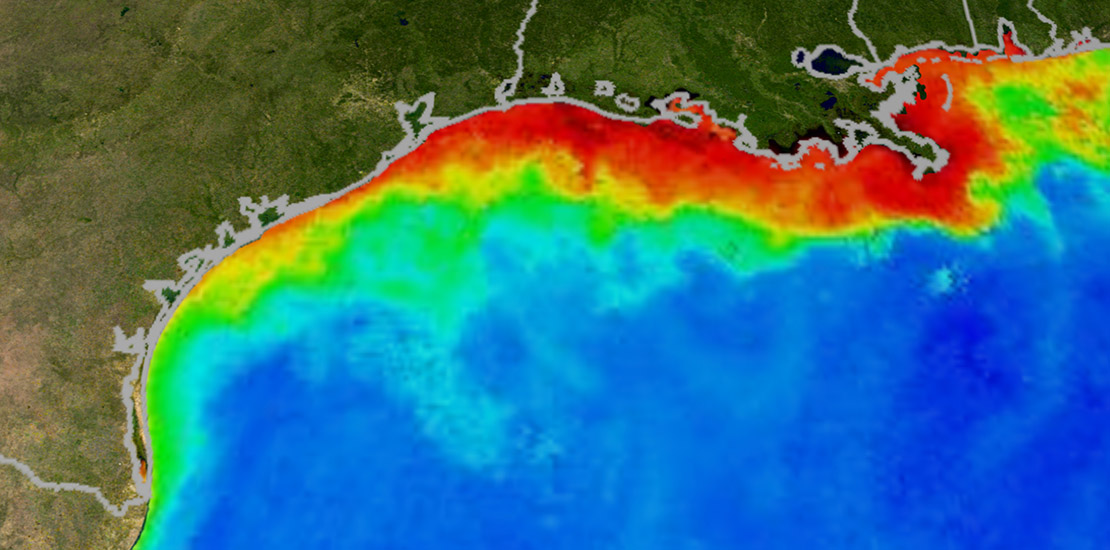
Scientists are expecting an average, but still large, hypoxic or “dead zone” in the Gulf of Mexico this year, and slightly above-average hypoxia in the Chesapeake Bay. NOAA-supported modeling is forecasting this year’s Gulf of Mexico hypoxic zone to cover an area ranging from about 4,633 to 5,708 square miles (12,000 to 14,785 square kilometers)
-
First Environmental Seal Systems Gain Recognition for Meeting EPA Requirements
- May 1, 2014
- Posted by: Admin
- Category: General, Technology

Wärtsilä has received an important service level recognition for its Wärtsilä Airguard and Wärtsilä Oceanguard propeller shaft sealing systems from Lloyd’s Register. The recognition of Lloyd’s Register, a marine classification society, confirms that the sealing systems meet the US Environmental Protection Agency’s (EPA) requirements. Wärtsilä, the marine industry’s leading solutions and services provider and a
-
10 Most Common Life-Threatening Accidents On Board Ships
- March 1, 2014
- Posted by: Admin
- Category: General

No seafarer wants to get hurt or suffer injuries while working on ships. We all know it’s a hostile working environment at the sea and no matter how many precautions are taken, accidents are bound to happen as a result of one main and common reason – human error. A series of regulations has been
-
Duties of Ship’s Company Security Officer
- February 2, 2014
- Posted by: Admin
- Category: Practical Tips

What are the Duties of Ship’s Company Security Officer (CSO)? Under the International Ship and Port Facility Security Code (ISPS), every shipping company is required to appoint a company security officer, who would take care of the ship’s safety and security. The company security officer designated by the company would be responsible for one or
-
5 Things Seafarers Expect From Maritime Industry in 2014
- February 1, 2014
- Posted by: Admin
- Category: General, MLC

With the introduction of Maritime Labour Convention (MLC) in 2013, seafarers around the world can now expect that their “basic rights” are taken care of, and they are subjected to fair treatment under all circumstances. Apart from these important rights, seafarers want at least a few more things to change in the year 2014. Several
-
Fresh new beginning in January
- January 1, 2014
- Posted by: Admin
- Category: General

In this article we are going to talk about a new study that reveals how ship-owners can save millions by using advanced emissions monitoring of large ships, the discovery of a sub-glacial valley bigger than the Grand Canyon and the global piracy decline caused by the Somali piracy drop. Ship-owners could save millions with advanced
-
Santa is a Good Seafarer too
- December 1, 2013
- Posted by: Admin
- Category: General

On these special days our thoughts turn to those courageous seafarers, men and women from all the corners of the world, who face dangers and tough working conditions to operate today’s complex, highly technical ships, every hour of every day of the year, and on whom we all depend. About 1.5 million seafarers are employed
-
Bunkering and Storage of Fuel Oil On Ships
- November 2, 2013
- Posted by: Admin
- Category: General, Practical Tips

15 Practical Tips For Bunkering and Storage of Fuel Oil On Ships Marine fuel oil is one of the most important aspects that control the overall efficiency of ships and the shipping industry. The high cost of marine fuel oil requires maritime professionals to bunker, store and use the Heavy Fuel Oil, Diesel Oil and
-
Deck Officers Must Know
- November 1, 2013
- Posted by: Admin
- Category: General, Practical Tips
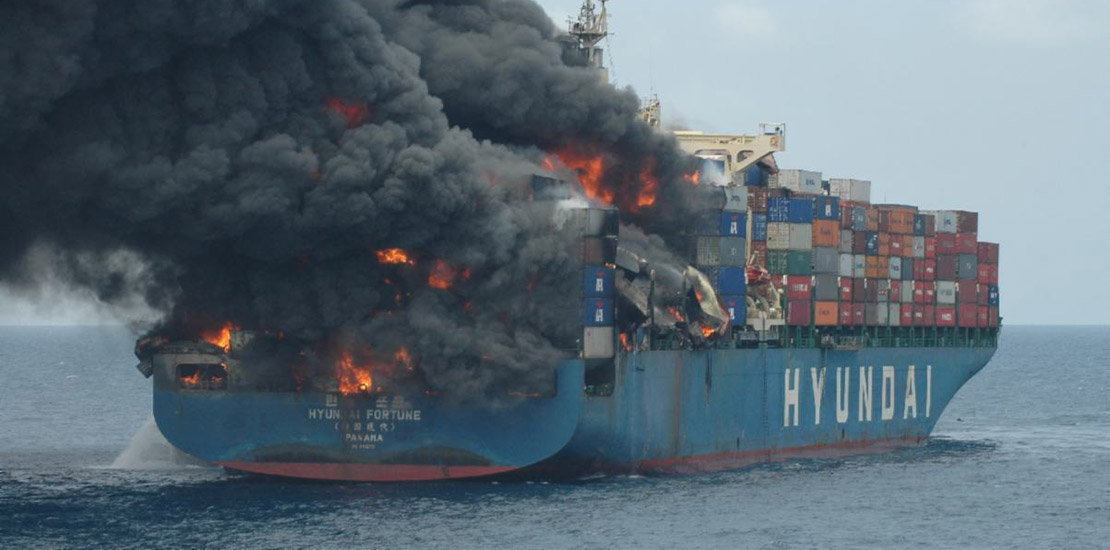
8 Things Deck Officers Must Know While Handling Packaged IMDG Cargo The International Maritime Dangerous Goods (IMDG) Code specifies and lays down various norms and regulations for ships carrying different types of dangerous goods. The code has been implemented to prevent accidents of fire/explosion and ensure utmost safety of the ship and its crew while
